How to Refresh a Room With Simple Painting Projects
Hiring a professional painting contractor is often one of the most effective ways to refresh, protect, and improve the look of a home or business. Paint does far more than add color; it can enhance curb appeal, preserve building materials, and create a more comfortable interior environment. For many property owners, though, the process of selecting and working with a contractor can feel unfamiliar. Questions about preparation, scheduling, pricing, and communication frequently arise, and knowing what to expect can make the experience much smoother.
This overview explains the typical stages of hiring and working with a painting contractor, from the first consultation through project completion. By understanding the process, homeowners and business owners can make informed decisions, collaborate confidently with professionals, and ensure that the final result aligns with their expectations.
Discussing Goals and Evaluating the Space
The first step when working with a painting contractor usually involves an initial consultation, either in person or virtually. During this stage, the contractor evaluates the space, listens to the client’s goals, and discusses the desired outcome. This may include conversations about color selection, finish choices, and whether the project involves interior walls, exterior surfaces, trim, ceilings, or specialized features such as cabinets or railings.
A reputable painting contractor will also assess the current condition of the surfaces. They may look for cracking, peeling, water damage, mildew, or structural concerns that could affect adhesion. Evaluating these issues early helps determine whether repairs or priming will be necessary. This conversation is also the time to clarify the project scope. Property owners should feel comfortable asking questions about materials, timelines, and recommended products.
Clear communication at this stage establishes expectations. When both the client and the contractor share a detailed understanding of what the finished project should look like, misunderstandings later in the process become much less likely. This collaborative approach also helps build trust, which is essential when allowing a contractor to work inside or around a home.
Reviewing Written Estimates and Contracts
After the consultation, the painting contractor typically provides a written estimate. This document should do more than list a total price; it should outline the materials to be used, the number of coats planned, the preparation steps included, and the expected start and completion dates. A thorough estimate demonstrates professionalism and offers transparency about what the client is paying for.
A formal contract follows once the property owner decides to move forward. Contracts often specify payment schedules, warranties, and responsibilities for both parties. For example, a contract may clarify whether the homeowner needs to move furniture before work begins or whether the crew will handle it. Reviewing these details carefully helps prevent confusion once the project is underway.
Clients should avoid agreements that rely solely on verbal promises. A clear written contract protects both sides and provides a reference if questions arise. When the painting contractor is organized and willing to explain each section, it reflects a commitment to accountability and quality workmanship.
Preparing Surfaces and Protecting Surroundings
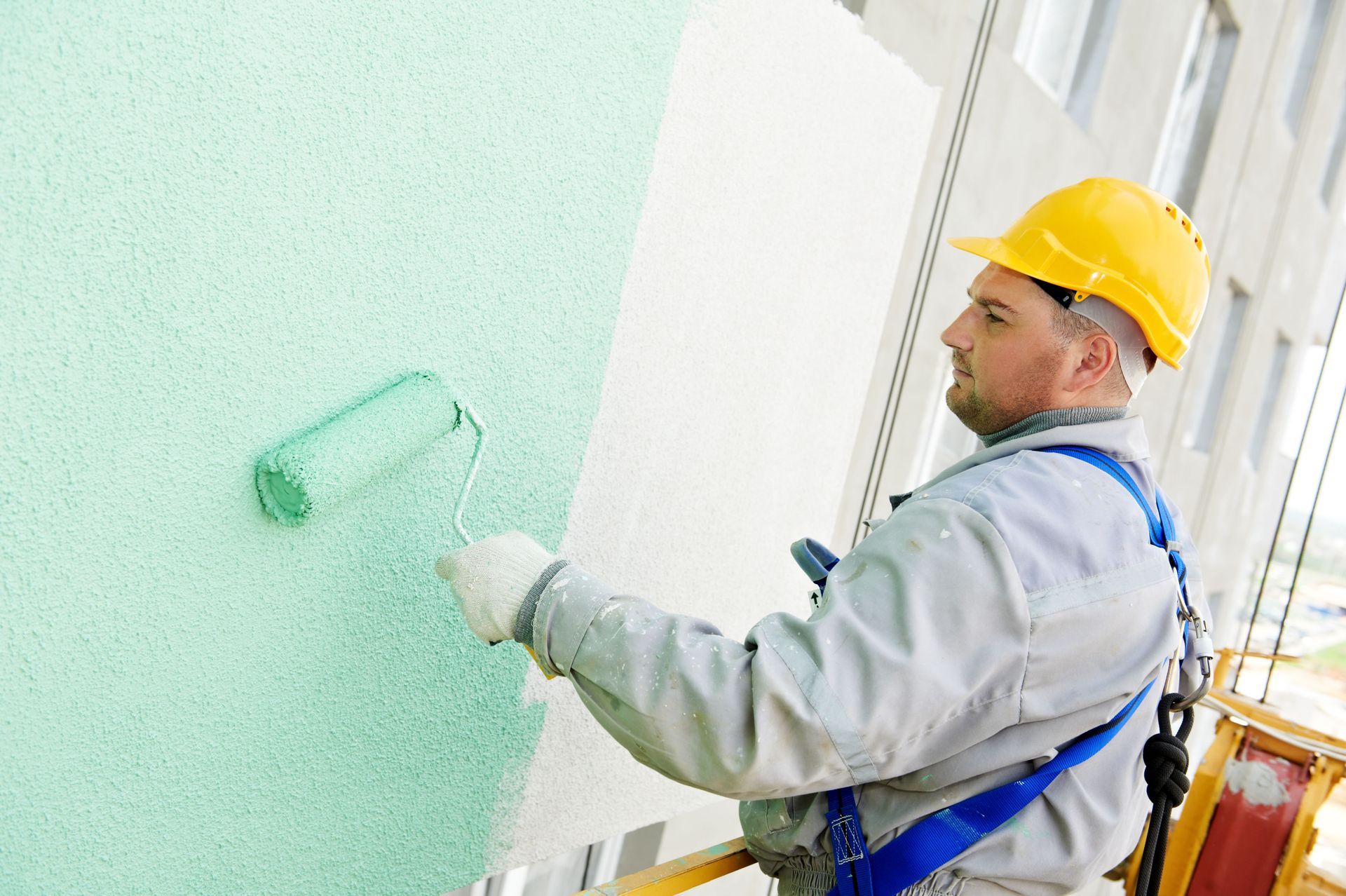
One of the most time-consuming aspects of professional painting happens before a single coat of paint is applied. A skilled painting contractor devotes considerable effort to preparation. This may include washing surfaces, sanding rough areas, filling nail holes, caulking gaps, scraping peeling paint, and applying primer where necessary. Proper preparation ensures paint adheres correctly and looks uniform after drying.
Protection is another priority. Crews typically use drop cloths, plastic coverings, painter’s tape, and other materials to shield floors, landscaping, fixtures, and furniture. Windows, light switches, and hardware are carefully masked to prevent accidental splatters. The attention to these details sets professional work apart from do-it-yourself projects, where overlooked preparation steps can lead to visible flaws or premature chipping.
Although homeowners may feel eager to see color appear quickly, it helps to understand that high-quality painting involves methodical staging and patience. When a painting contractor invests time in preparation, it ultimately results in a more durable and attractive finish.
Coordinating Scheduling and Daily Workflows
Once preparation is complete, the painting stage begins. A reputable painting contractor outlines a clear schedule and keeps the client informed about daily progress. Crews typically arrive at consistent times, explain what they plan to accomplish each day, and clean up thoroughly before leaving.
During interior projects, homeowners may be asked to temporarily avoid certain rooms while paint dries. For exterior work, weather plays a significant role in scheduling. Rain, extreme heat, or high humidity can delay application. A professional contractor monitors conditions carefully and communicates adjustments to prevent quality issues.
Interestingly, many trades share similar coordination challenges. According to Statista, 32% of landscaping companies say lawn care maintenance is their fastest-growing service, illustrating how service industries often evolve to meet demand while juggling multiple job sites. In painting, as in landscaping, organization and time management remain critical to delivering consistent results across projects.
Selecting Materials and Understanding Product Choices
Another important part of working with a painting contractor involves selecting the right materials. Paints vary widely in durability, sheen, and suitability for different environments. For example, high-traffic hallways may benefit from washable finishes, while exterior siding requires coatings designed to withstand UV exposure and moisture.
A knowledgeable painting contractor explains the pros and cons of each option, including how long a product is expected to last and how it will perform over time. They may discuss low-VOC or eco-friendly paints for clients concerned about indoor air quality. They can also advise on color psychology, light reflection, and how certain shades may appear different under natural versus artificial lighting.
Rather than leaving clients overwhelmed by choices, the contractor acts as a guide. This expertise ensures that the selected paint not only looks appealing initially but also continues to protect and enhance the property in the years ahead.
Monitoring Quality and Addressing Issues
Quality control is a hallmark of professional service. Throughout the project, the painting contractor inspects completed areas to ensure coverage is even, lines are crisp, and surfaces meet agreed-upon standards. If touch-ups are needed, they are handled before the project is considered finished.
Homeowners should also feel empowered to provide feedback. A collaborative contractor will welcome questions and address concerns promptly. Sometimes, issues arise not because of poor workmanship but because expectations were interpreted differently. Open dialogue helps resolve these situations quickly and respectfully.
At the end of the job, a final walkthrough typically occurs. The contractor and client review the work together, noting any final adjustments. Many companies offer warranties on labor or materials, reinforcing their commitment to standing behind the results. This final stage provides reassurance that the investment in professional painting was worthwhile.
Maintaining Results and Planning Future Projects
Even after a project concludes, the relationship with a painting contractor can continue. Professionals often provide guidance on caring for painted surfaces, such as how to clean walls safely or when to schedule future repainting. Regular maintenance helps extend the life of the finish and protects the underlying structure.
Clients who establish a positive working relationship with a contractor often return for additional projects, whether that means repainting another room, refreshing exterior trim, or updating commercial spaces. Over time, the contractor becomes familiar with the property’s history and can recommend strategies that support long-term upkeep.
Hiring a painting contractor is ultimately about more than color; it is about expertise, preparation, communication, and pride in craftsmanship. When clients understand the process, they gain confidence in their decisions and are better prepared for each stage of the project. By choosing an experienced professional, asking thoughtful questions, and maintaining open communication, property owners can achieve results that are both beautiful and long-lasting. Call Jose Garcia Pereira Painting today to schedule your professional painting service.







Share On: